Employee Gifting for Culture: How HR and People Teams Can Make Employees Feel Valued
Let's be honest: nobody wants another scratchy, one-size-fits-none company fleece. Yet, for decades, that was the gold standard of employee appreciation. Fast forward to 2026, and the landscape of work has fundamentally changed. As HR and People teams navigate the complexities of hybrid environments and AI integration, the humble art of gifting has evolved from a seasonal "check-the-box" chore into a critical driver of company culture.
If you are still managing corporate gifts via a chaotic, color-coded spreadsheet that makes you want to pull your hair out, it is time for an upgrade. Today's top organizations are using thoughtful, automated gifting to reinforce their values, improve recognition, and create moments that employees actually remember (for the right reasons).
Here is your comprehensive guide to transforming your employee gifting strategy from a logistical nightmare into a culture-building powerhouse.
What is Experiential Employee Gifting?
Experiential employee gifting is the strategic practice of providing personalized, high-quality items or experiences that foster a genuine emotional connection between an employee and their company.
Unlike traditional, transactional gifting (think: a generic box of chocolates left on a desk), experiential gifting is deeply integrated into the employee lifecycle. It represents a fundamental shift where gifting is no longer viewed as a mere line item, but as a strategic lever used to create meaningful connections and reinforce core company values. It is about celebrating the human being behind the screen, not just the output they produce.
Why Corporate Gifts Matter in 2026 (The Data)
Thoughtful gifting directly impacts your bottom line by driving retention, engagement, and a profound sense of belonging. The data from recent workforce studies paints a crystal-clear picture of why you need to take this seriously.
Retention is tied to recognition: Well-recognized employees are 45% less likely to have turned over two years later, according to research from Gallup and Workhuman (2023).
Engagement skyrockets: The O.C. Tanner Institute’s 2026 State of Employee Recognition Report found that when recognition is integrated into daily work, employees are 26x more likely to plan to stay at their organization for another year.
Great work multiplies: Integrated recognition increases the odds of an employee producing "great work" by 25x, reinforcing the connection between appreciation and performance (O.C. Tanner, 2026).
The "Appreciation Gap": Why Generic Business Gifts Fail
Despite the overwhelming evidence supporting the ROI of recognition, most companies are still dropping the ball. We call this the "Appreciation Gap."
Currently, only 32% of employees believe their companies consistently get appreciation right, and a shocking 47% have never received a work anniversary gift. Why? Because HR teams are often drowning in administrative overhead. Industry observations indicate that over half of organizations still manage gifting manually, leading to inconsistent experiences and administrative burnout.
As the O.C. Tanner Institute (2026) notes: "Recognition is becoming more embedded, but not always more meaningful. Frequency alone isn’t enough. Recognition that feels generic or automated rarely strengthens the kind of meaningful connections that drive performance."
How to Build a Culture-Driven Gifting Strategy (Step-by-Step Guide)
Ready to ditch the cringe-worthy swag and build a program that actually makes people feel valued? Follow these four steps.
Step 1: Ditch the Spreadsheets and Integrate
The biggest barrier to consistent gifting is the manual labor involved. You should not be spending your Friday afternoons taping up cardboard boxes. By utilizing HRIS integrations, you can trigger gifts automatically based on real-time employee data like start dates, birthdays, and promotions.
Step 2: Automate the Milestones That Matter
While holiday gifting is a nice touch, the highest ROI comes from recognizing the moments that matter to the individual. Focus your energy on onboarding and work anniversaries, which are directly tied to long-term retention. Set up workflows that automatically send a curated welcome kit the moment a new hire signs their offer letter.
Step 3: Give the Gift of Choice
Personalization is paramount. Research reveals that 73% of employees identify personalization as the most important driver of meaningful recognition. When a gift reflects an individual's preferences, it transforms from a mere object into a meaningful experience that raises self-esteem and makes employees feel more cherished.
Instead of guessing what people want, use Storefronts or Preferred Gift features to let employees select their own items. It guarantees the gift is wanted, used, and appreciated.
Step 4: Prioritize Premium Corporate Gift Ideas
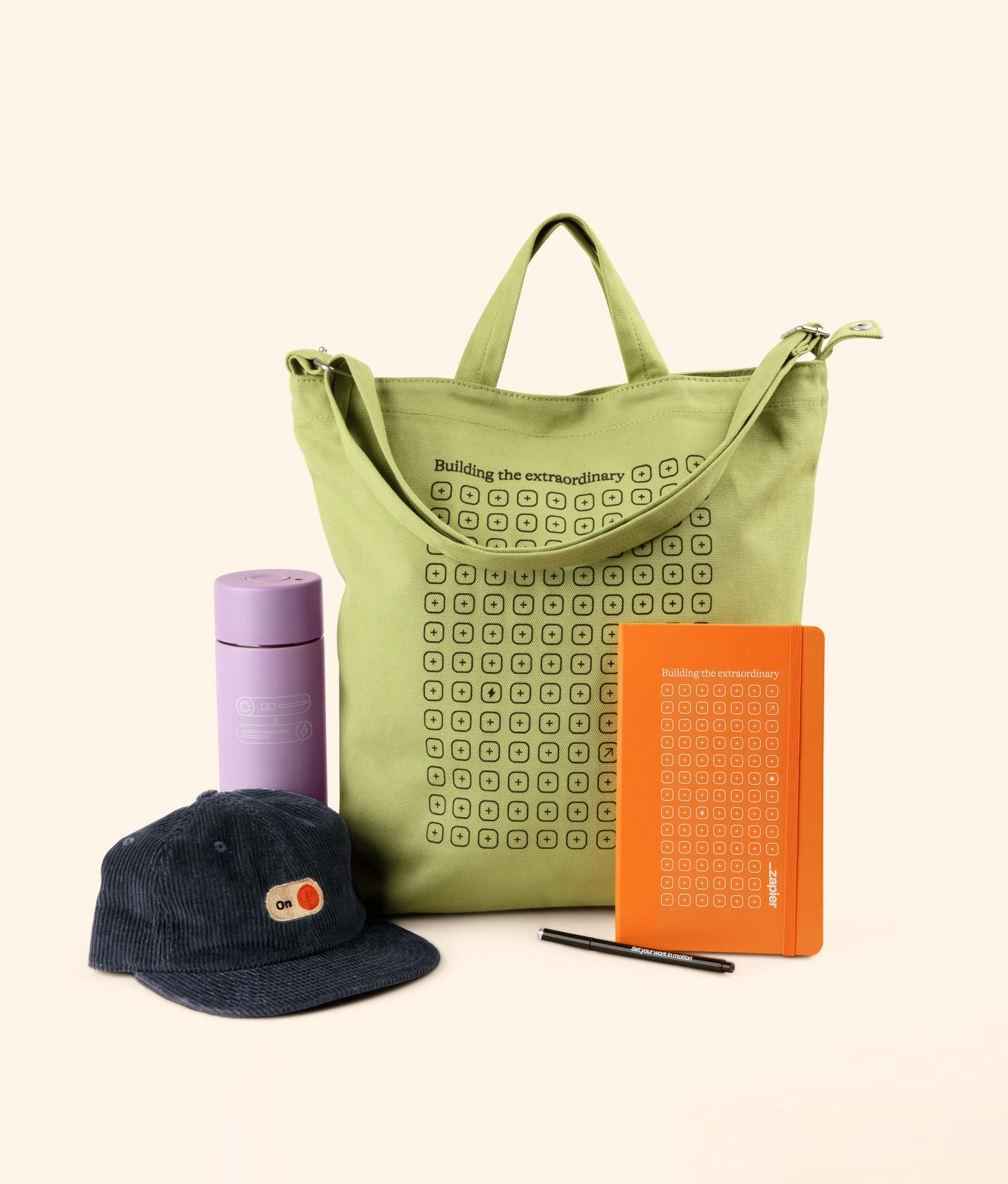
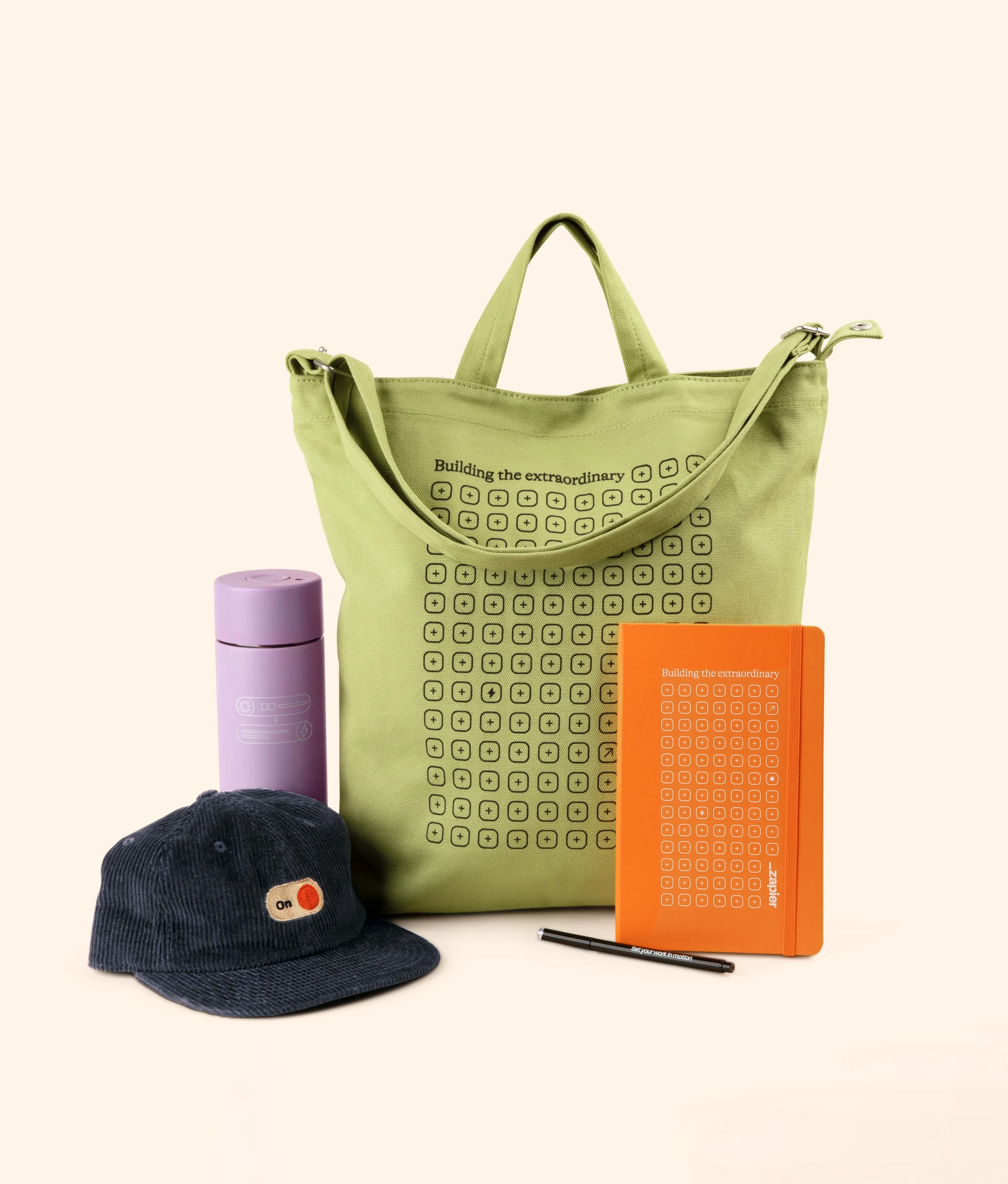
Quality over quantity is the golden rule of 2026. A single, high-quality item creates a lasting positive impression of your employer brand. Look at how top companies are doing it:
Premium Brand Collaborations: Cash App ditched cheap totes and used custom Baggu bags for new hires, aligning their gift with a trendy, high-quality brand employees actually use on the weekends.
Wellness & Play: Workday sent out an "Ultimate Play Bundle" for their Wellness Day to encourage health, rest, and engagement.
How Brilliant Automates the Gifting Lifecycle
If you want to scale your culture without scaling your headcount, you need the right infrastructure. Brilliant transforms gifting from a manual HR burden into a scalable, automated culture strategy.
According to Brilliant, automating the gifting lifecycle allows People teams to focus on culture-building rather than logistics. Their platform offers set-it-and-forget-it automations that handle everything from new hire welcome kits to milestone celebrations.
The results speak for themselves. When cybersecurity leader Arctic Wolf integrated Brilliant's platform to automate their quarterly anniversary gifts, they not only saved their People Experience team countless hours of frustration, but they also reduced average shipping costs from $99 to $49. That is the kind of efficiency that makes CFOs smile and HR teams breathe a sigh of relief.
Frequently Asked Questions (FAQ)
What are the best corporate gift ideas for 2026?
The best corporate gift ideas in 2026 focus on sustainability, wellness, and premium utility. Think sustainable self-care kits, high-end tech accessories, or premium brand collaborations (like Baggu or premium insulated drinkware). The ultimate best idea, however, is offering employees the power of choice through a digital storefront.
How much should companies spend on employee gifts?
Budget benchmarks vary by industry, but common annual spend per employee often sits between $75 and $250, depending on the organization's size and recognition goals.
Do business gifts actually improve employee retention?
Absolutely. Research shows that well-recognized employees are 45% less likely to have turned over two years later. Furthermore, when recognition is integrated into the daily flow of work, employees are 26x more likely to stay for another year.
Conclusion
Corporate gifting in 2026 is about more than just the physical item; it is about the message it sends. By shifting from transactional swag to experiential, personalized business gifts, HR and People teams can bridge the appreciation gap and build a culture where employees genuinely feel seen and valued. When you ditch the spreadsheets and embrace automation, you stop managing logistics and start building a workplace where every milestone is an opportunity to strengthen your team's connection to the company. It’s time to start giving gifts that your team will actually brag about on LinkedIn.